After more than a decade in web development, one thing has become clear to me: the developers who survive are the ones who adapt.
Technology changes constantly. Over the years, I’ve seen different tools, frameworks, and trends rise and fall. What was once considered modern eventually becomes outdated, and something new always takes its place.
To stay relevant, developers learn to adapt.
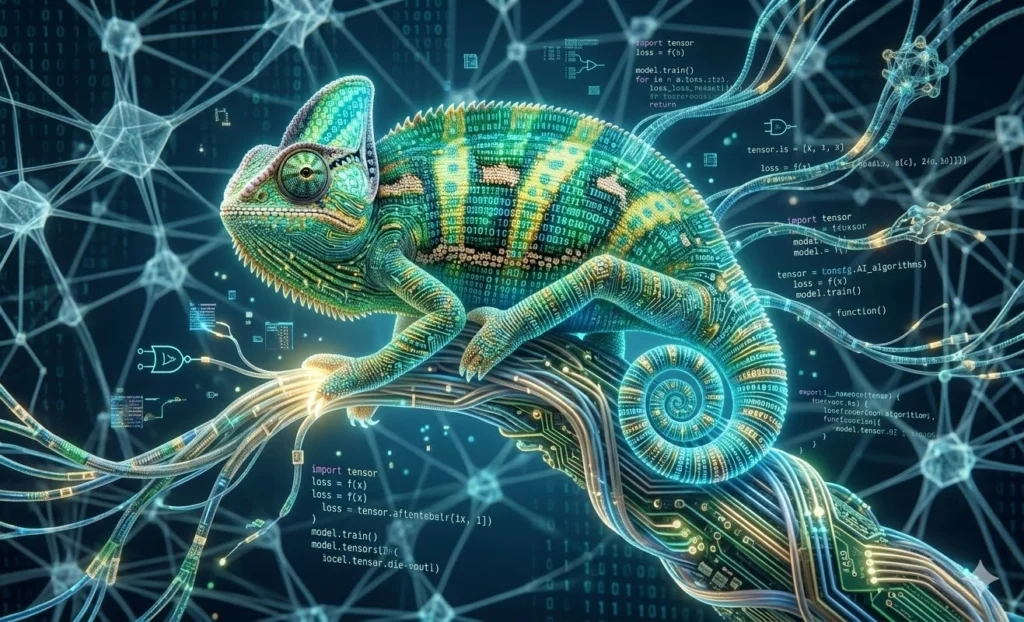
In a way, we become coding chameleons — adjusting to new environments while keeping our core skills intact.
Earlier in my career, building websites with basic HTML, CSS, and PHP was enough. Then frameworks appeared, JavaScript ecosystems expanded, and cloud technologies reshaped how applications were deployed.
Each shift required developers to learn, adjust, and evolve.
Now another transformation is happening.
This time, it’s AI.
AI tools can generate code, explain concepts, and assist developers in ways that would have seemed impossible just a few years ago. Tasks that once required hours of research can now be accelerated with intelligent assistance.
But like every technological wave before it, AI is not replacing developers — it’s changing how we work.
The role of the developer continues to evolve. Instead of writing every line from scratch, we may spend more time guiding systems, designing architectures, and solving complex problems.
And once again, the coding chameleon adapts.
Because in technology, the most valuable skill isn’t mastering a single tool.
It’s learning how to evolve with the next one.